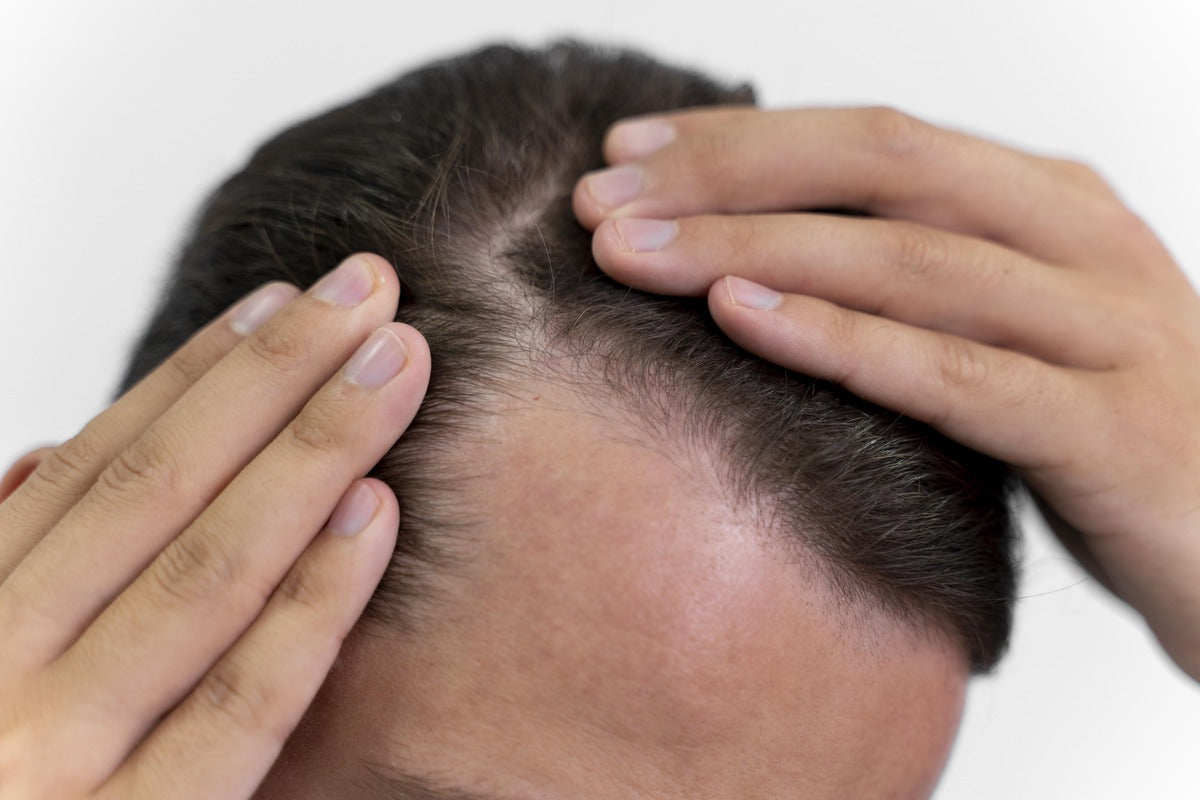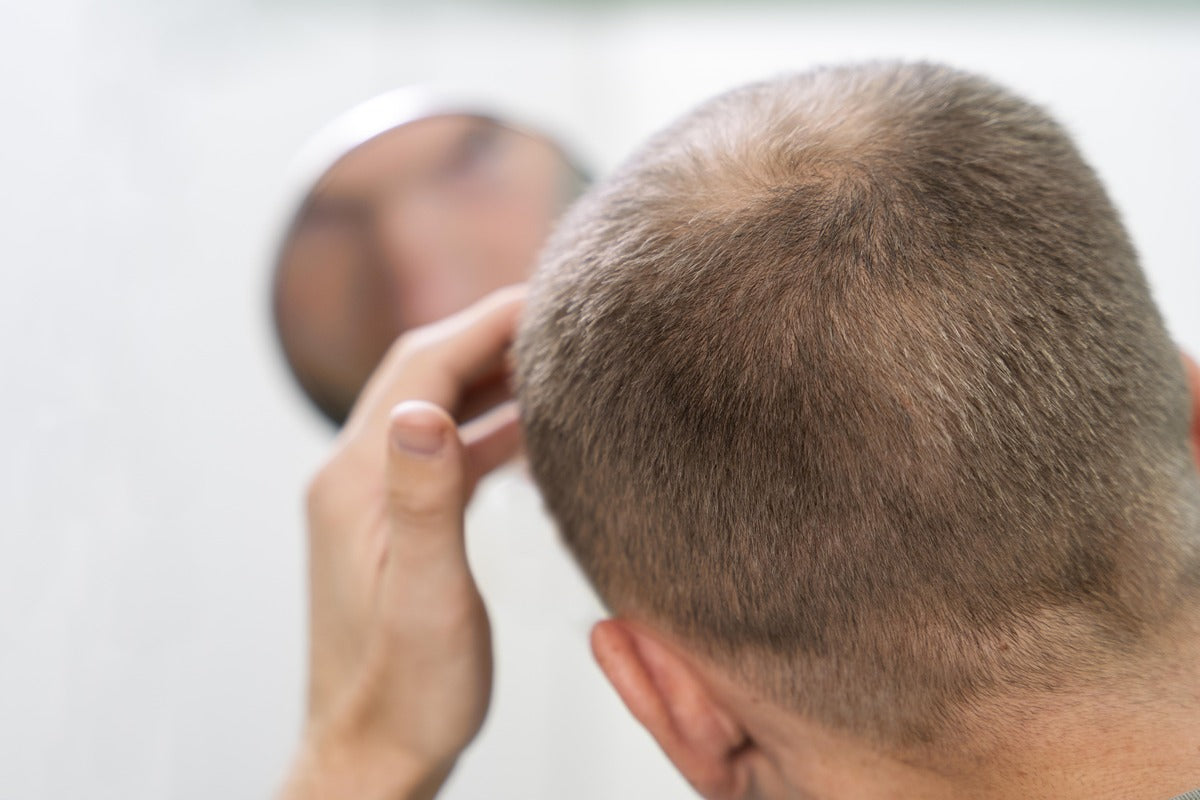
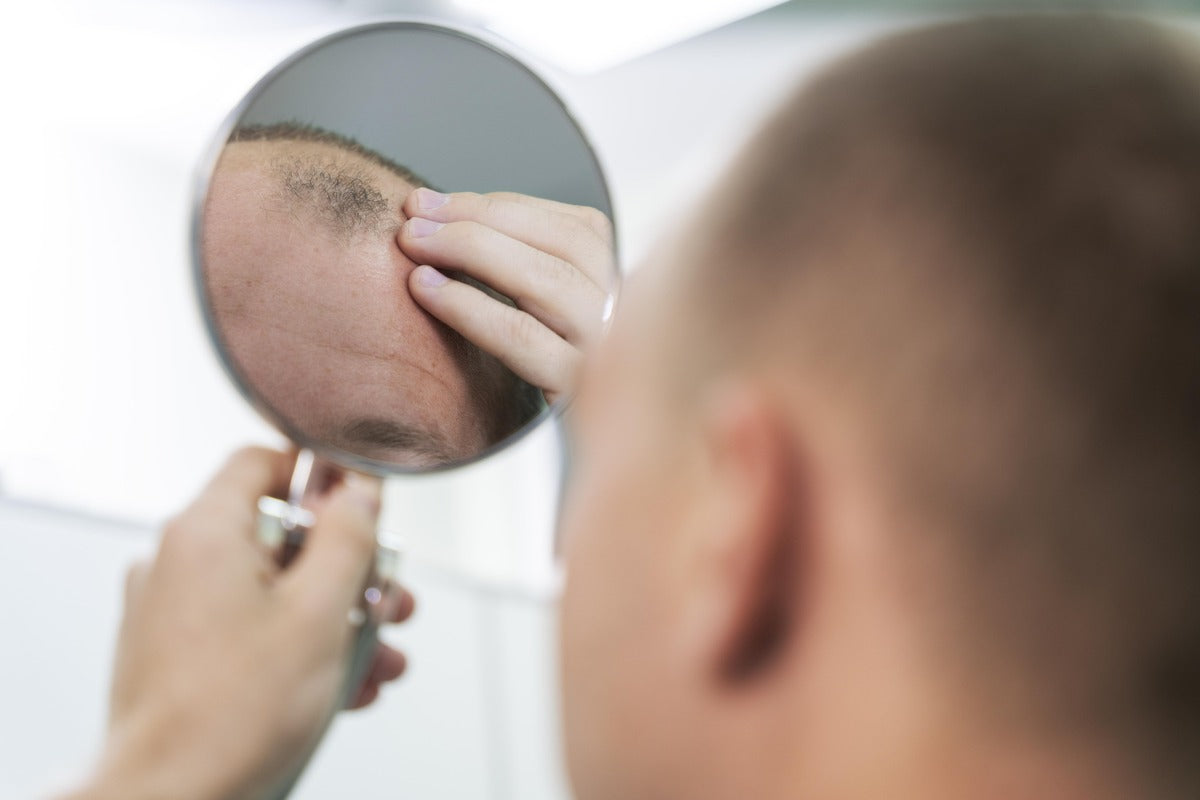
Many men taking metformin worry that it might thin their hair. This makes them search for answers: Does metformin really cause hair loss? There’s no strong proof that metformin directly causes hair loss, but some people do report shedding after they start it.
If you are a man on metformin or thinking about starting it, and you feel uneasy about hair changes, we’ll give you a solid look at the facts.

This guide walks through what the research shows, what might be going on behind the scenes, and practical steps to protect your hair while staying on track with your health plan.
What We Know From Research
Metformin has been studied for decades, yet direct proof that it causes hair loss is thin. Most clinical papers focus on blood sugar control, gut effects, vitamin changes, and long-term metabolic outcomes. Hair has not been a main topic in large trials, so the data pool is limited.
That said, there are a few metformin alopecia case reports. These single-patient stories describe shedding that seemed to appear after starting metformin. Case reports are helpful, but they can’t prove cause.
A theme in older reports is vitamin B12. Long-term metformin use can lower B12 levels. Low B12 has been linked to thinning and increased shedding in some people. In those reports, hair tended to improve after B12 deficiency was corrected. This points to an indirect connection rather than a direct hair loss effect from the drug itself.
Studies on “metformin side effects hair loss” are limited. When researchers look at common adverse effects, they mostly list stomach upset, diarrhea, and low B12 with long-term use. So far, there’s no strong clinical evidence that metformin harms hair follicles. Most hair complaints with metformin appear scattered, mixed with many reports of no change.
How Metformin Might Cause Hair Loss Indirectly
While metformin isn’t flagged as a direct hair toxin, it may, over time, trigger shedding in some users in different ways.
-
Vitamin B12 deficiency: Metformin can reduce B12 absorption, especially with long-term use or higher doses. B12 supports red blood cell formation and cell growth. Low levels can cause telogen effluvium, a temporary shedding phase. Hair may thin all over the scalp rather than in patches. The risk rises after 1-2 years on the drug, but some people drop sooner.
-
Rapid weight loss. Fast weight changes can push more hairs into the resting phase. That shedding often shows up 2-3 months after the change begins. Calorie restriction, low protein intake, or low iron can add to the problem.
-
Medication mix and timing. Some people start metformin around the same time as other changes. New thyroid meds, retinoids, or dose shifts in androgens can be confounders. The new shedding gets blamed on the most recent drug, even when the trigger came from other medications.
-
Nutrition gaps. Low ferritin, low vitamin D, and low zinc can all raise shedding risk. If your diet becomes lighter after starting metformin, you may be missing key nutrients for hair growth.
These indirect effects explain why some people report thinning even if metformin itself is not attacking hair follicles. Each one leads back to something fixable, which is good news.
Real-World Examples From Patients
Search threads on metformin hair loss on Reddit and forums, and you’ll see mixed stories. Some users report hair loss after starting metformin or after a dose increase. Others notice no change. A few report that symptoms improved once blood sugar stabilized and nutrition improved.
Common patterns:
-
Shedding often happens within a few months of starting or after a big dose change. That aligns with the timing of telogen effluvium.

-
Reports often describe diffuse shedding with more strands on the pillow, not bald spots.
- There are also many posts about B12 deficiency after starting metformin. Some users improved after B12 testing and replacement.

Treat forum posts as signals to explore, not proof. They help form questions to ask your clinician: Is my B12 low? Did I lose weight fast? Did any other meds change?
How to Tell if Metformin is the Cause
Drug-induced shedding is hard to pin down. If you are trying to figure out whether metformin is involved in your shedding, follow these steps:
-
Look at Timing
Drug-related shedding often shows up two to six months after the trigger. If your hair thinned far outside this window, something else may be going on.
-
Check the Pattern
Diffuse shedding all over the scalp fits telogen effluvium. Thinning at the temples or crown fits male pattern hair loss. Metformin does not cause male pattern baldness, so if the pattern matches that shape, your genetics are probably the main driver.
-
Review Recent Stressors
Fast weight loss, illness, fever, surgery, or a big life change can trigger shedding. Some men start metformin during a period of high stress, which complicates the picture.
-
Ask for Labs
Blood tests can look at B12, thyroid function, iron, and ferritin. Abnormal readings in these areas can point to correctable causes.
-
Talk to Your Clinician
Bring a simple timeline of symptoms, doses, and weight changes. Do not stop metformin without medical advice. Stopping the medication without guidance can affect blood sugar levels.
Other Hair Loss and Shedding Reasons
Even without metformin, many men deal with thinning and shedding. A few common causes of hair loss include:
-
Male pattern hair loss driven by DHT, usually with a receding hairline or crown thinning
-
Telogen effluvium after stress, illness, surgery, or weight changes
-
Seborrheic dermatitis, scalp inflammation, or dandruff
-
Thyroid disorders
-
Low iron or ferritin
-
Traction from tight hats or hairstyles
We cover these in depth across our guides. If your pattern points to more than a simple shed, a dermatologist visit is a smart next step.
Practical Steps and Treatments
Here’s a simple plan that can be implemented to protect both your hair and your blood sugar levels.
-
Ask for B12 testing. If you’ve been on metformin for a year or longer, periodic B12 checks are common practice. If low, your clinician may suggest oral B12 or injections. Hair often improves over months once levels rise.
-
Review nutrition. Aim for steady protein intake, iron-rich foods, and a balanced plate. If ferritin is low, talk about iron replacement. Sudden crash diets increase hair shedding risk.
-
Check co-medications. Bring all meds and supplements to your appointment. Look for recent changes that match the timing of shedding.
-
Support the scalp. Topical minoxidil can help kick-start growth in shedding and male pattern loss. It is safe to use while on metformin. Consistency matters. Expect shedding to calm in 2-3 months, with visible gains by month 4-6.
-
Treat scalp issues. Flaking, redness, or tenderness deserve attention. Antidandruff shampoos and anti-inflammatory topicals can calm the scalp so hair can recover.
Quick Takeaways
Current evidence does not show a clear direct link between metformin and hair loss. Indirect causes such as vitamin B12 deficiency, rapid weight changes, and nutritional gaps can lead to shedding. Request laboratory tests and consult your clinician before making any medication changes.
Supporting your scalp while you balance your metformin intake can help you with hair loss. Consider non-drug solutions with natural components. Spartan’s Hair Growth line supports scalp health during this process. Our Root Activator shampoo, conditioner, and spray deliver caffeine, ginseng, licorice root, rosemary oil, and peppermint oil to the scalp. They protect and stimulate hair follicles, promoting healthy growth.
Our natural formulas improve circulation and help calm shedding. Most routines take two minutes. Many users report thicker-looking hair in 8-10 weeks. These are non-prescription options you can use alongside your care plan.
FAQs
Can metformin worsen androgenic alopecia?
There’s no clear data that metformin speeds male pattern baldness. If B12 is low or weight changed fast, shedding may rise. Fixing those triggers can help stabilize the baseline pattern.
Can metformin cause scalp sensitivity or itching related to hair loss?
Scalp itching is more common with dandruff or inflammation. Metformin isn’t known to cause scalp irritation. If you notice symptoms, get the scalp checked.
Can topical minoxidil still work if metformin is causing hair loss?
Yes. Minoxidil can support growth while you correct B12 or other triggers. Expect a few months before you see steady gains.
Is it safe to stop metformin to see if hair improves?
Stopping without supervision can affect blood sugar. Always talk with your clinician before making changes.
Should I stop metformin if I notice hair thinning?
No. Talk to your clinician first. Start with labs for B12, ferritin, thyroid, and vitamin D. Address the cause and keep glucose control on track.