Picking a beard length sounds easy until you stand in front of the mirror and realize there are more options than you thought. One day, a light scruff looks sharp. A week later, it starts to feel uneven. Grow it longer, and you’ll need to think about shaping and trimming.
That’s why beard lengths matter so much. A stubble and a long beard make very different impressions, even if both are well-kept. The length you choose changes your overall look and the time you spend grooming.
Our guide covers five beard lengths, from light stubble to very long, and discusses how much care each length needs and who it suits.
1. Stubble at 0-3 mm

Stubble is the shortest beard length, usually 0 to 3 mm. It gives your face a light shadow, not a full beard. There are two main types. Daily stubble is the light scruff you get after a day or two. A 5 o’clock shadow is darker but still short and close to the skin.
A stubble beard adds edge without changing your look too much. It can sharpen the jaw and is an easy starting point if you are unsure about facial hair. It is simple to test and easy to adjust.
It’s easy to maintain, but it still needs a little cleanup. Trim it every day or every other day to keep the length even. Clean neck and cheek lines make it look neat rather than messy.
This length suits men who want a rugged look without much commitment. It also fits conservative workplaces, since it stays tidy and close to the face.
2. Short Beard at 3-10 mm

After stubble comes the short beard, about 3 to 10 mm long. It’s often the most common choice. A short beard style is easy to notice, but it still looks neat and controlled. It follows the jaw, frames the mouth, and adds more structure without making it look bushy.
A lot of men keep this length for years. The reason is simple. It gives a beard enough presence to change your look, yet it does not ask for a huge grooming routine.
A trimmed beard at this length needs regular cleanup, usually two or three times each week. The cheek and neck lines need to be shaped, and the length needs to stay even across the face. An adjustable trimmer guard helps a lot here. It keeps the cut uniform and makes small changes easier. Sharp edges make a big difference, especially around the neckline and upper cheeks.
This is a strong professional beard length for office settings, client-facing jobs, and daily wear. It fits most face shapes and takes little time to groom.
3. Medium Beard at 10-20 mm

At 10 to 20 mm, the beard starts to look fuller. This is the point at which the face gets fuller coverage, and the beard texture becomes more visible. Your natural growth patterns start to stand out.
This stage often tells you a lot about your beard. Sparse spots, strong cheek growth, curl pattern, and density all become easier to see. Some men notice their beard grows thick on the chin but lighter on the sides. Others see more even coverage and a rounder shape.
That means beard shaping starts to matter more. At this length, random growth can make the beard look wider or heavier in one area. You should keep the shape under control.
A simple plan based on your face shape helps a lot. A round face usually looks better with length at the chin and less width on the sides. A longer face often looks better with more fullness at the sides and less extra length below the jaw.
A full beard at this stage takes commitment. You need regular trimming, attention to the edges, and a little patience as you learn your beard’s pattern.
4. Long Beard at 20+ mm

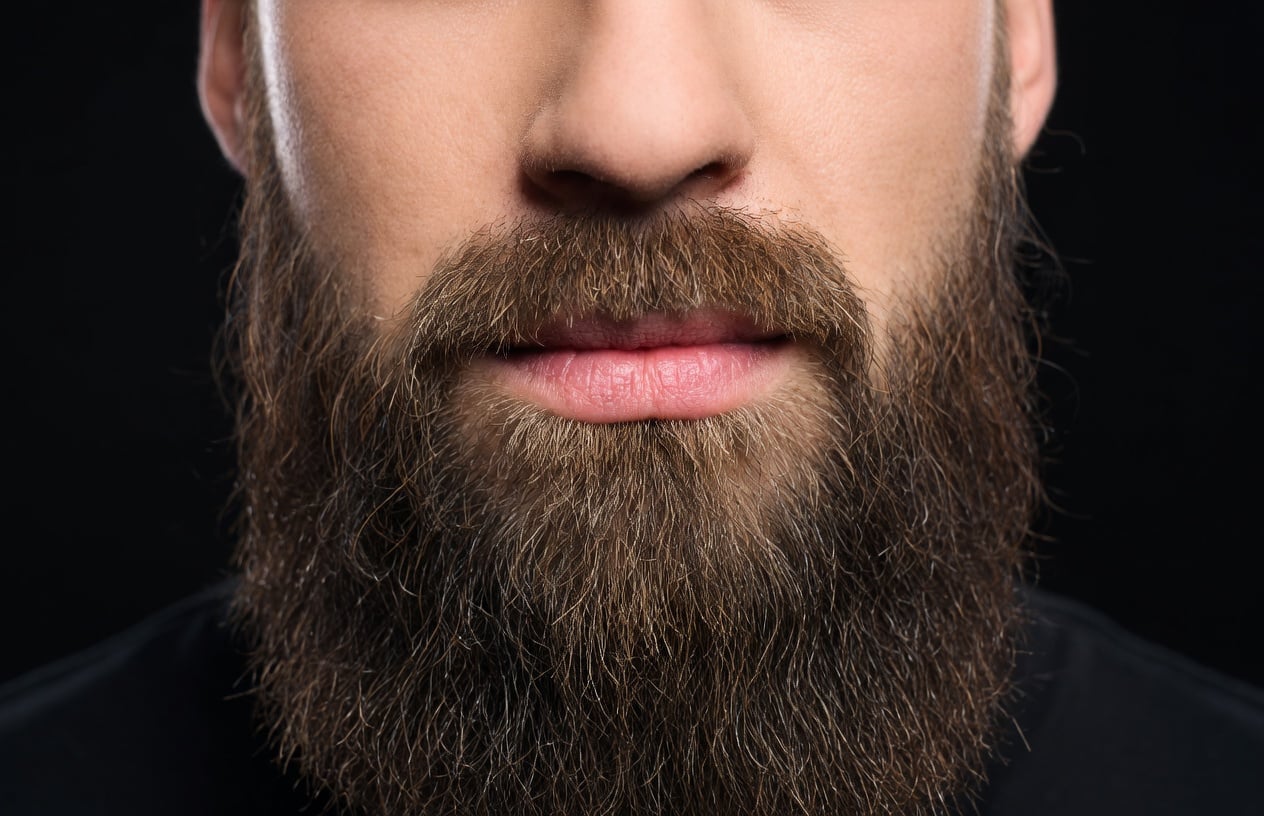
Once your beard passes 20 mm, the beard care routine changes. A long beard has visible volume on the face. It no longer sits close to the skin. It moves, bends, sticks out in places, and reacts to different conditions.
Longer beards look great when you take care of them. Leave them alone, and they can get dry, puffy, or uneven.
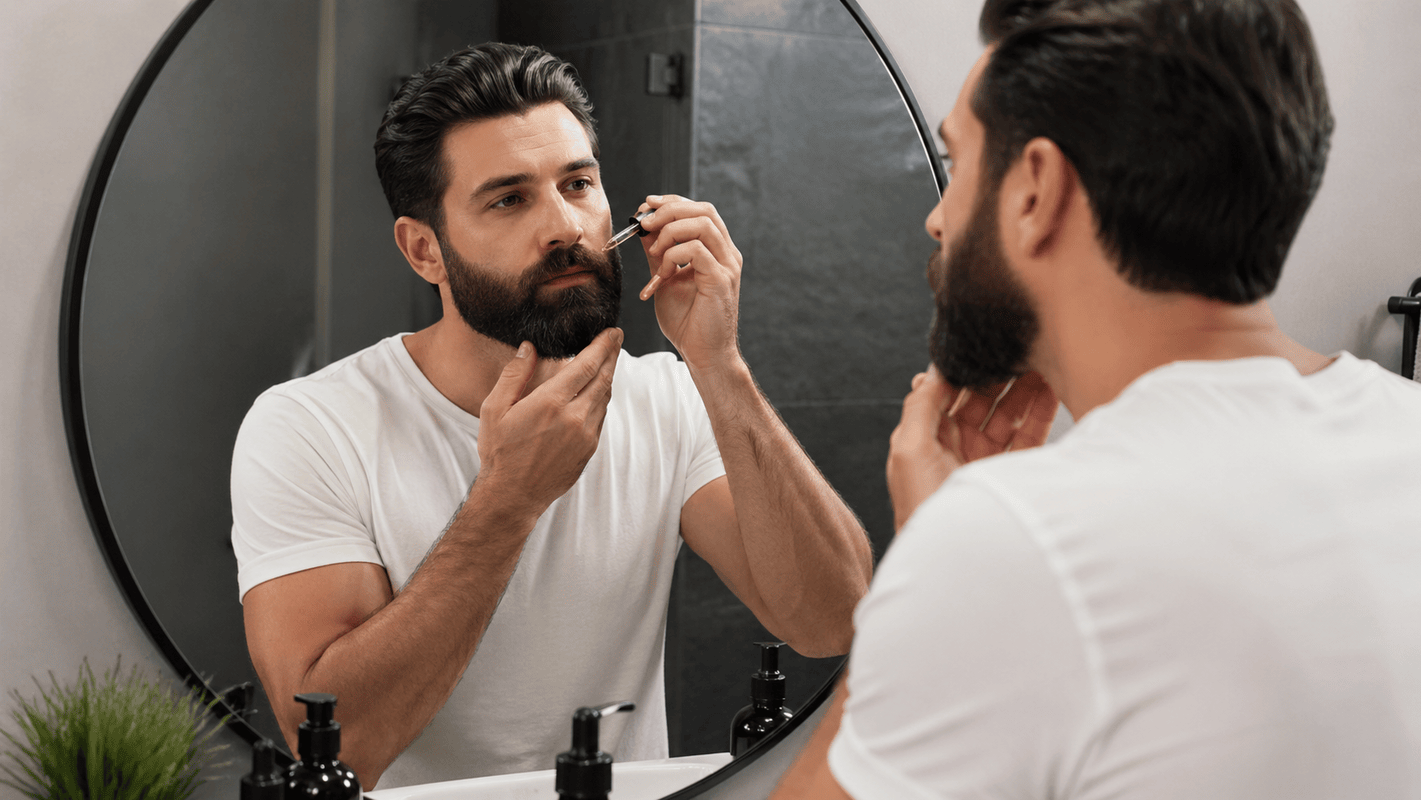
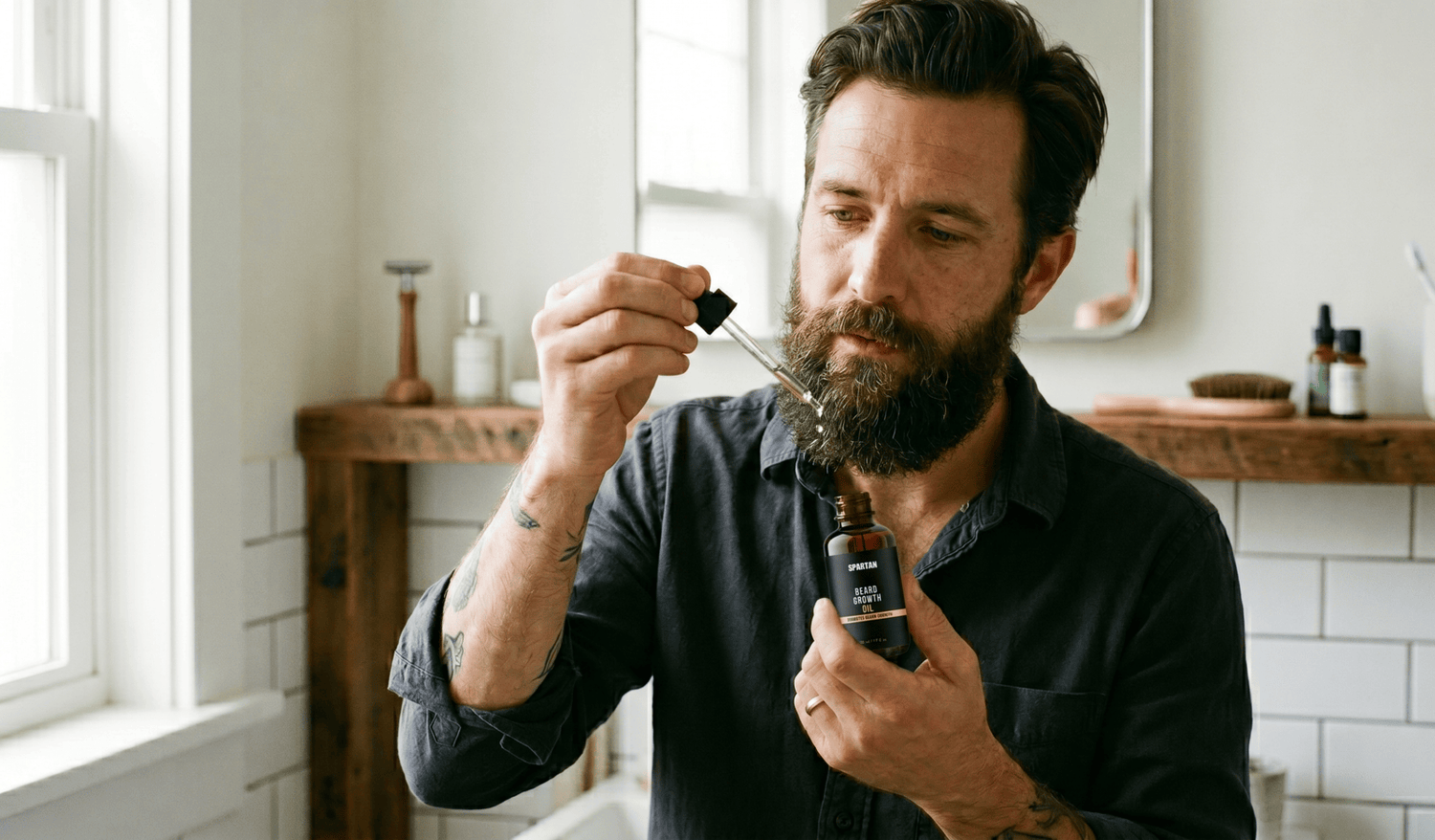
Wash your beard a few times a week with beard shampoo, not regular shampoo. Beard hair dries out easily, and the skin underneath can get itchy. Use beard oil daily to keep the hair soft and the skin comfortable.
Brushing matters too. A boar bristle brush keeps your beard neat and helps it grow in one direction. Beard oil goes on more easily when the beard is still a little damp. Trimming now and then keeps the shape tidy and stops split ends from making it look scruffy.
This length suits men who enjoy the grooming side of beard care and have enough patience to grow through the awkward stages. Full beard grooming at this point is less about letting it grow wild and more about keeping shape and texture under control.
5. Very Long Beard at 50+ mm

A very long beard starts at about 50 mm (2 inches) and grows from there. At this point, your beard is no longer just a style detail. It becomes part of how people see you. It takes months, and often years, to reach this length, so it comes with real commitment.
A very long beard is bold and eye-catching. It has weight and shape that shorter beards can’t match. It can look classic, rugged, artistic, or dramatic, depending on how it is kept. Some men keep it natural. Others shape it tightly. Some go further with braiding or other styling touches.
Grooming takes more effort at this length. Daily washing and conditioning help with dryness and buildup. Beard oil keeps the hair and skin hydrated, and beard balm adds hold. Most men use oil first, then balm. Regular brushing, light trims, and heat protectant if you blow-dry help keep it looking clean and controlled.
Very long beard care also comes with real-life tradeoffs. Eating gets messier. Drinking from cups takes a bit more care. A windy day can turn into a grooming issue in seconds. Long beard styles suit men with a strong personal look, flexible work settings, or a real interest in beard culture.
How to Choose the Right Beard Length
The best beard length fits your face, your routine, and the look you want day to day. A style that looks good in photos may need more upkeep than you want to give.
Start with face shape. A beard works best when it adds balance. Shorter sides with more length at the chin can help a round face. More width at the sides can suit a longer face. Square faces often look better with softer edges, and oval faces can handle most styles.
Your schedule matters too. A tidy stubble beard or short beard is easier to keep work-ready. A medium or longer beard needs more grooming to stay neat.
Growth pattern plays a part as well. Some men grow full coverage quickly. Others get stronger growth on the chin and moustache than on the cheeks. If coverage is uneven, a shorter beard often looks cleaner.
Personal style still matters. Some men prefer a professional beard length, while others like a fuller look. Choosing a beard style is easier if you start short and grow in stages. That helps you see where your beard looks best.
Summing Up
There isn't one right answer when it comes to beard length. Some men look good with light stubble. Others prefer a short, medium, or long beard that stands out more. What matters is knowing what each length asks from you and choosing one that fits you.
Every stage has its own grooming needs. Once you know that, it gets much easier to build a routine. Give yourself time to test a few beard lengths and pay attention to which feels easiest to keep looking good. Confidence usually comes from that match between style and upkeep.
If you want one simple setup for daily beard grooming, try Spartan’s beard growth kit.