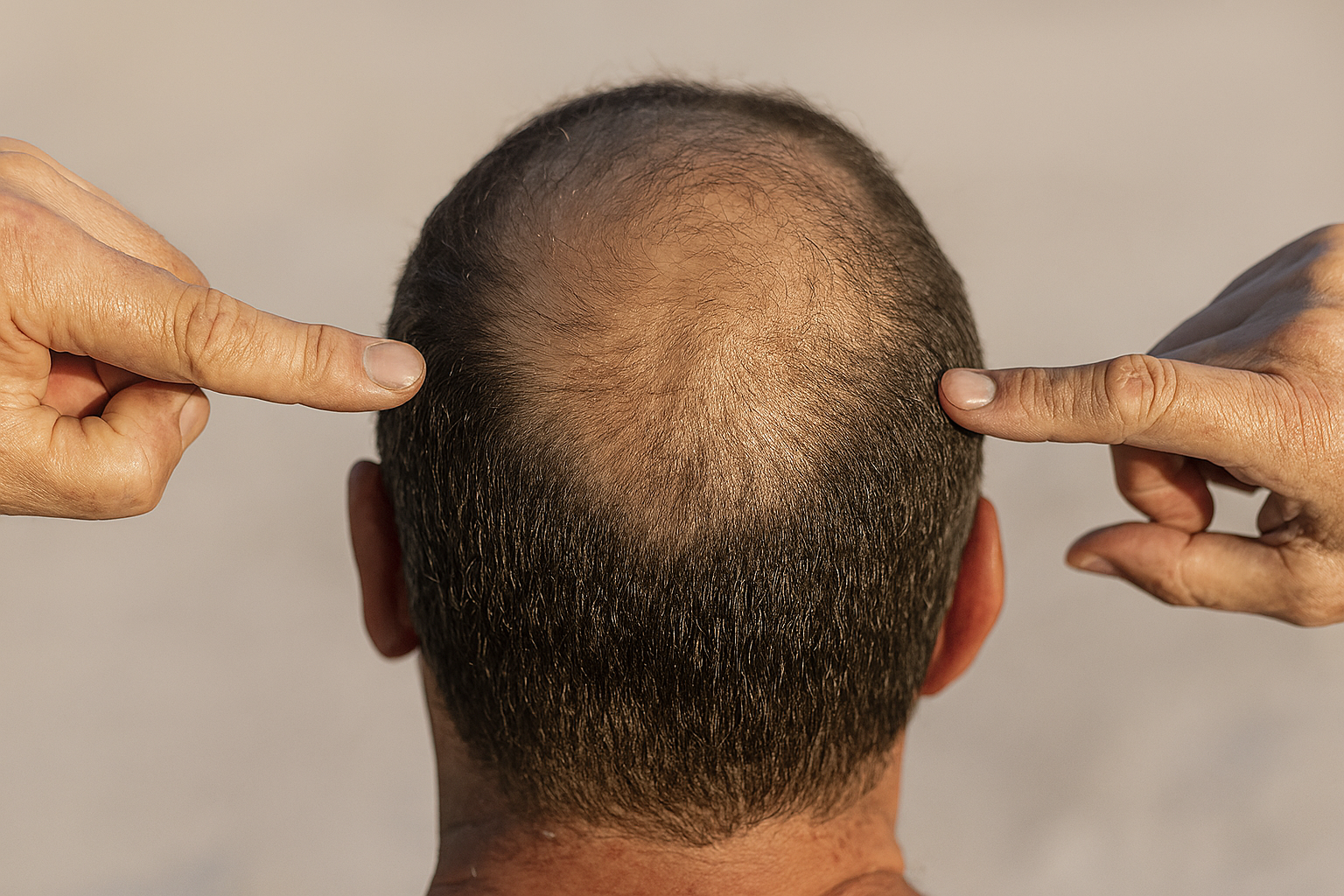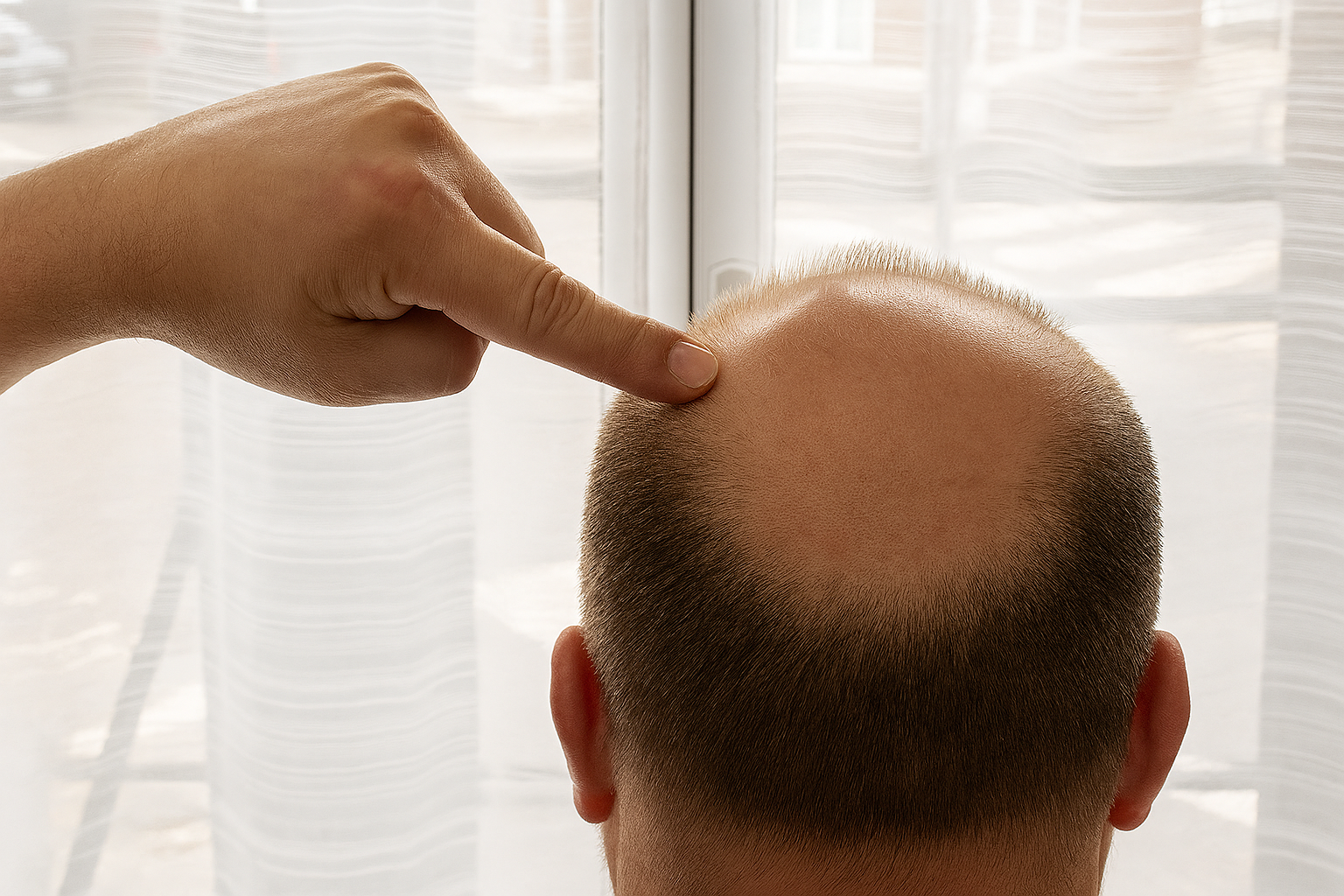
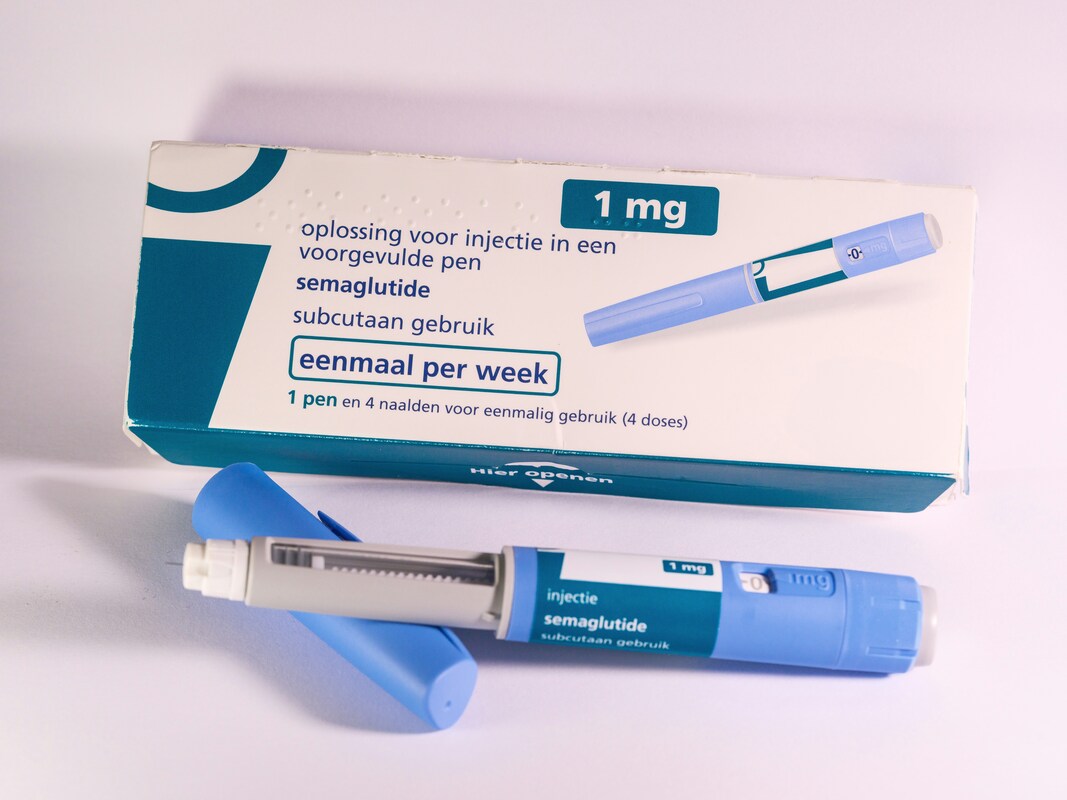
Worried that semaglutide might be thinning your hair? Hair shedding can occur with semaglutide, but it is rare. When it does happen, it usually relates to rapid weight loss, lack of nutrients, or stress on the body, rather than the drug directly harming hair follicles. In other words, the medication may set the stage through fast weight change, and the scalp reacts a few months later.
If you’ve seen posts about hair loss caused by semaglutide, Ozempic, or Wegovy, the pattern is fairly consistent: shedding starts weeks to a few months after the trigger. Many users report recovery with time and supportive care.
Below, you’ll find what the research says, why it may happen, what men report in real life, and the steps that help.
Semaglutide Hair Loss: What Research Shows Now
Research can be grouped into a few categories: clinical trials, case reports, and real‑world studies. Each gives a different type of signal. Each gives a different type of signal.
Clinical Trials
In obesity trials of semaglutide, hair loss appeared in the low single digits. Diabetes trials reported even lower numbers. The exact rates vary by study and population, but think roughly 1-4% in some obesity studies, closer to 1% or less in diabetes studies. Many trials did not break down results by sex, which limits clarity for men.
Some trials have flagged an alopecia signal with GLP‑1 drugs, including semaglutide and tirzepatide. A signal means more reports than expected compared with other drugs, not proof of causation. MedRxiv and JAAD papers through 2024-2025 describe elevated reporting odds ratios for hair loss with semaglutide, with mixed findings on the size of the risk across datasets.
Case Reports
Dermatology case reports include rare events such as alopecia areata after starting semaglutide. Single cases can’t confirm causation but do help clinicians spot uncommon patterns and advise on next steps.
Media and Consumer Summaries
News outlets have covered hair loss as an uncommon side effect, often pointing to rapid weight loss and telogen effluvium as the main driver.
Putting these pieces together: studies show low rates of issues, real-world research indicates a stronger signal compared to other treatments in some cases, and reports highlight rare autoimmune reactions.
Why Hair Loss Might Happen on Semaglutide
Several mechanisms could explain shedding during treatment. Here is how each one works and what timeline to expect.
-
Rapid Weight Loss and Physiologic Stress
What it is: A shift of many follicles into the resting (telogen) phase after a stressor such as fast weight loss, illness, surgery, or big calorie cuts.
Timeline: Shedding often starts 6 to 12 weeks after the trigger. It usually peaks, then improves over 3 to 9 months once the trigger resolves or weight stabilizes.
-
Nutrient Deficiency Hair Loss
What it is: Low protein intake or deficits in iron, zinc, or B vitamins during a calorie deficit can push more hairs into shedding. Ferritin (iron storage) matters for hair cycling.
Timeline: Similar to telogen effluvium. Regrowth follows correction of deficits, often over months, with earlier improvement once nutrition is rebalanced.
-
Drug‑Induced Autoimmunity
What it is: Rare case reports link semaglutide to new‑onset patchy hair loss with an autoimmune pattern. This remains uncommon.
Timeline: Patchy bald spots can appear within weeks to a few months of starting therapy. Recovery takes time, but dermatology care can help control it more quickly.
-
Direct Follicle Effects from GLP‑1 Receptor Signaling
What it is: Early lab work suggests GLP‑1 receptors might play a role in hair follicle biology. Evidence is preliminary and not settled.
Timeline: No firm timeline yet. Any direct effect would still likely present as diffuse shedding or slowed cycling and would need more research.
How Common is Hair Loss in Men on Semaglutide?
Across safety databases and media summaries, women account for more reports than men. That pattern shows up in many conditions involving hair shedding. Men still experience shedding on semaglutide, though the apparent rate looks lower.
A few points can tilt risk for men. Large and fast weight drops raise the chance of telogen effluvium. Baseline nutrition makes a difference too, especially iron, protein, and zinc intake. Reporting bias likely plays a role, since women tend to seek care for hair changes more often. So the true gap by sex may be smaller than reports suggest.
What Men are Sharing in Forums
Threads on Reddit and patient forums show a consistent pattern. Many men describe a surge of shedding 2 to 4 months after starting or after a period of fast weight loss. Several note that shedding slows once weight stabilizes or dose changes settle.
Common themes include:
-
Most say it’s temporary but stressful.
-
Many try topical minoxidil and basic supplements after checking labs.
-
A fair number adjust protein up to support hair growth.
-
Some discuss slower dose titration with their prescriber.

These posts line up with telogen effluvium timelines and the nutrition link. They also speak to the emotional punch of seeing more hair in the shower, even when health markers and weight loss are on track. Some are looking for tips on improving their nutrition to strengthen their hair.

On forums, more women than men share their hair loss experiences. You can read more on the Semaglutide subreddit.
Most people believe that hair loss is mainly caused by weight loss and stress affecting the hair growth cycle, rather than harmful substances directly damaging the hair follicles. They also report hair loss caused by other medications, including Ozempic, Mounjaro, and Wegovy.
What to do if You’re Experiencing Hair Loss on Semaglutide
Start with a calm, stepwise plan. The goal is to confirm the cause, support the hair cycle, and keep your broader health plan intact.
Step 1: Map the timeline
-
Note when shedding started, any dose changes, and how fast your weight has been dropping.
-
TE often trails the trigger by 6 to 12 weeks. If weight has recently stabilized, you may already be on your way to recovery.
Step 2: See your doctor or a dermatologist
-
Ask for a focused workup: CBC, ferritin and iron studies, TSH, B12, zinc, and a basic metabolic panel. Consider vitamin D and folate if your diet has been restricted.
-
A dermatologist can confirm telogen effluvium versus other hair loss causes with a brief exam and, if needed, a pull test or trichoscopy.
Step 3: Tighten up nutrition
-
Set protein at roughly 1.0 to 1.2 grams per kilogram per day, higher if you train or lift. Spread intake across meals.
-
Favor iron‑rich foods (red meat, legumes), vitamin C with meals to support absorption, and zinc sources (eggs, seafood, seeds).
-
Supplement only to correct proven deficits. Retest ferritin and other markers after 8 to 12 weeks.
Step 4: Treat the shedding and support the scalp
-
Topical minoxidil remains a first‑line option for diffuse shedding. Foam or solution, once or twice daily, with a 3‑month minimum before judging results.
-
Low‑level laser therapy caps have supportive evidence for hair density in androgenetic hair loss and can be used during TE recovery. Spartan’s Red‑Light Therapy Cap falls in this category.
-
Gentle scalp care helps. Caffeine and botanical actives, like those in Spartan’s Root Activator Shampoo, Conditioner, and Spray, can support circulation and scalp comfort while you correct the trigger. These are adjuncts rather than a stand‑alone fix for TE.
-
PRP can be discussed with a dermatologist if shedding persists or if male pattern thinning is present too.
Step 5: Review medication plan with your prescriber
-
Ask about dose titration or a slower ramp if shedding lines up with aggressive escalation or very fast weight loss.
-
Avoid abrupt stops without medical guidance, since weight cycling can add another stressor for hair and health.
Step 6: Track and be patient
-
TE recovery often takes 3 to 9 months, sometimes longer if your weight is still changing. Many notice baby hairs along the hairline and part lines by month 3 to 4.
-
Use simple tracking: weekly photos in the same light, a brief note on daily shed count trends, and weight logs. Small improvements add up.
Red Flags that Need Prompt Care
Get medical attention if you see any of these:
-
Sudden patchy bald spots or clearly defined circles of hair loss, which can indicate alopecia areata.
-
Pain, scabs, heavy scaling, or pus on the scalp.
-
Signs of illness, such as fever, night sweats, or sudden weight loss that isn’t part of your plan.
-
Very low ferritin levels, severe anemia, or highly abnormal thyroid levels.
These symptoms might be connected to other hair loss types, including those caused by other medications.
Summing Up and Next Steps
Hair loss on semaglutide appears possible but uncommon. In many men, it follows the well‑known telogen effluvium pattern. Focus on lab tests, nutrition, the right dosage, and proper scalp care. Give your hair cycle time to reset. Schedule a consultation with your dermatologist or prescribing clinician to create a plan that meets your goals.
If you want a non‑prescription way to keep the scalp healthy while you work on the root triggers, try Spartan. Spartan’s Root Activator Shampoo, Root Activator Conditioner, and Root Activator Spray use caffeine, ginseng, licorice root, peppermint oil, and rosemary oil. They help improve circulation and keep your scalp balanced, and work best with good nutrition and a regular treatment plan.
FAQs
Should I stop semaglutide if my hair is falling out?
Talk with your prescriber. Many clinicians first fix nutrition, slow the dose ramp, and treat the shedding before considering a pause.
What helps regrow hair fastest?
Correct low ferritin or other deficits, use topical minoxidil consistently, and stabilize weight. A dermatologist can add PRP or other options if needed.
Are men more or less likely than women to lose hair on semaglutide?
Women report higher numbers, but men also experience this issue. Differences in reporting and weight loss patterns likely contribute to this.
Can slowing weight loss reduce shedding?
A steady rate of weight loss reduces physical stress. Many people notice improvements when their weight loss slows down, and their protein intake increases.
Does dose matter for hair loss risk?
Some users link shedding to rapid dose escalations. A slower titration plan can help, guided by your prescriber.