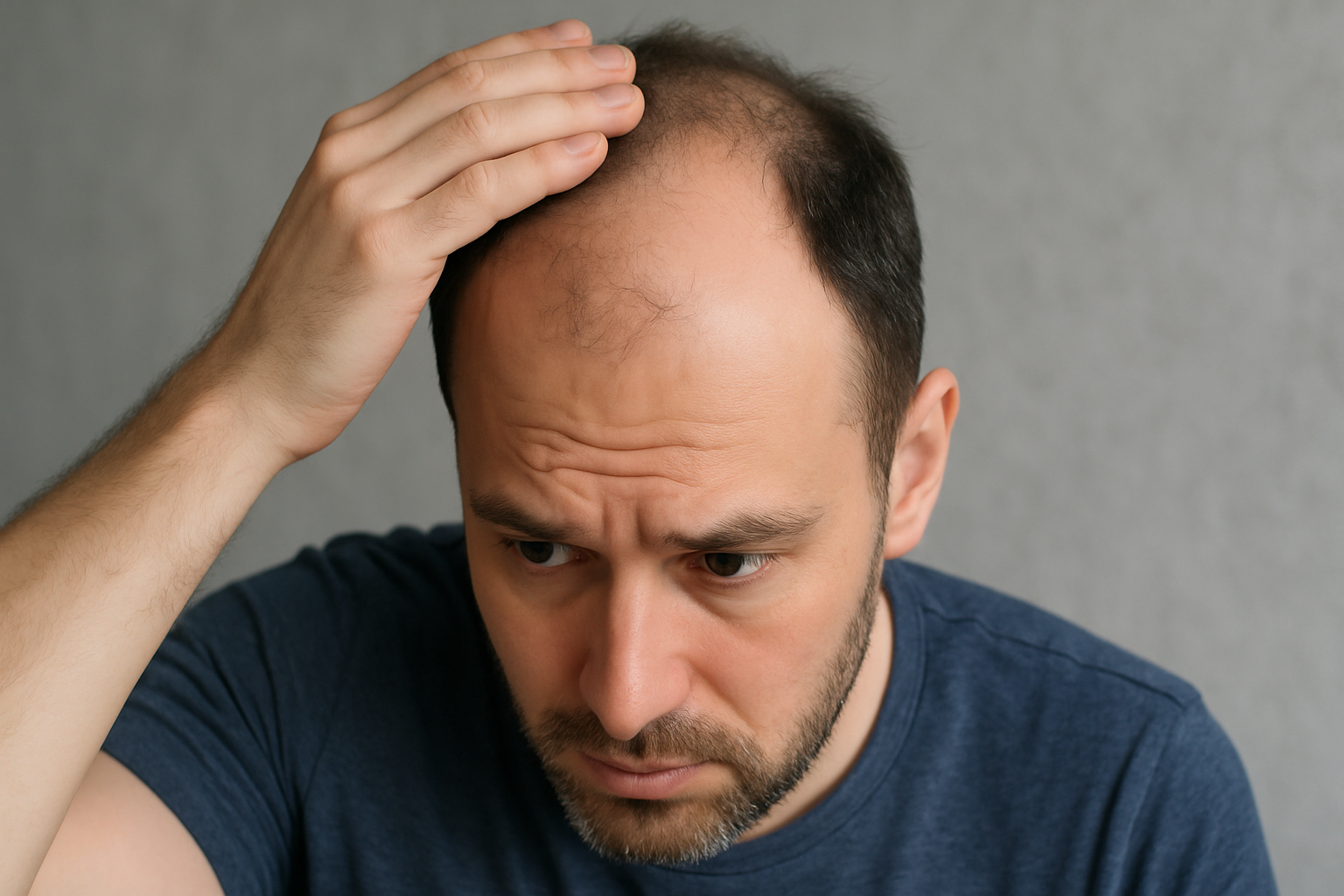

Beard growth can feel slow, especially in the first few weeks. Patchy spots and thin coverage are common, even for men with strong facial hair genetics.
You can help your beard grow faster by taking care of your skin and using the right products with a steady routine.
You can’t rewrite your DNA. But you can work with it.
This guide covers the basics of how facial hair grows, why it grows slowly, and what habits give you the best shot. You’ll also get an approximate timeline so you know what to expect.
Why Your Beard is Growing Slowly
Everyone’s beard follows a pattern. Some grow fast and thick, others fill in later or grow in defined regions first. A slower beard doesn’t mean something is wrong. It often comes down to some basic factors that affect hair growth speed and density.
Genetics
Some men inherit dense coverage across the cheeks and jaw. Others get a goatee that thickens first, then the sides fill in over time.
Follicle count, density, and where hair grows first often depend on the ethnicity and family background (aka genetics). Timing varies too. Plenty of men notice major changes in their late 20s or early 30s.
Hormones
Testosterone and DHT sensitivity affect growth speed and density. Two men can have similar testosterone levels but different beard growth. This is because their follicles respond differently to DHT.
If your levels are in the normal range, growth can still be slower if your follicles are less sensitive.
Age and Maturity
Beard development doesn’t end at 18. A lot happens from 18-25. Many men keep filling in after 25 as hormone patterns stabilize. What looks patchy at 20 can look fuller at 28.
Lifestyle and Health
Poor sleep, high stress, bad nutrition, too much alcohol, and smoking can slow hair growth. Your beard needs steady building blocks. Your skin needs care too. Clogged pores, irritation, and flakes can mess with growth and make your hair break sooner.
Beard Growth Timeline

Growing a beard is a process, and it varies per person. Here’s an approximate timeline for beard growth. View them as ranges, not hard rules.
1-4 Weeks
Early growth often feels and looks messy. Itchiness is common as short hairs rub against dry skin. Patchy spots are normal at this stage since different regions kick on at different times. Commit to the plan. Don’t shave or you reset your progress. Keep your skin clean and brush lightly to guide the hair.
1-3 Months
This is when many men start to see some progress. Cheeks fill in slowly, and the mustache connects for some men. If you need to look tidy for work, stick to light trimming to define the neckline and clean stray hairs. A full shave will bring you back to week one. S, if you want a full density, don’t shave it off.
3-6 Months
Coverage looks stronger for many men. Longer hairs overlap and hide thin spots. During this period, you should keep up the basics. Wash, add beard oil, exfoliate, and follow healthy habits. If you want a cleaner outline, shape the edges and snip split ends without taking off length.
6-12 Months
You see improved texture and better density. This stage is more about maintenance than big changes. Notice how your beard reacts to the weather and styles. Use oil or a light balm, brush daily, and trim with a plan instead of chasing every stray hair.
How to Make Your Beard Grow Faster Naturally
Start with a few simple habits. They will make your beard look thicker while you wait for density to improve.
Improve Blood Flow to Facial Hair Follicles
Follicles need steady circulation for oxygen and nutrients. Better flow won’t create new follicles, but it will support the ones you have.
Use your fingertips and massage in slow circles over your cheeks, jaw, and chin for 2-3 minutes. Keep the pressure light for better results.
A soft beard brush can add a little boost. Brush downward on the cheeks and chin in gentle strokes without scratching your skin.
Dead skin can clog pores. Clear away buildup so your hair has a path out. Use a mild scrub or a simple chemical exfoliant with low-strength acids once or twice a week. A short daily massage and regular brushing do more than an occasional hard session.
Fix Your Diet
Hair grows best when your body gets enough protein. If you’re not eating much of it, growth can slow down. Improve your diet with whole foods that feed follicles and support healthy skin.
Good protein picks include eggs, chicken, turkey, lean beef, Greek yogurt, cottage cheese, tofu, lentils, and beans.
Eat eggs, salmon, almonds, peanuts, sunflower seeds, and sweet potatoes for Biotin.
Zinc is easy to get through beef, oysters, pumpkin seeds, chickpeas, and cashews.
Vitamin D comes from salmon, fortified milk, and egg yolks, along with sensible sun exposure.
Get iron from red meat, spinach, lentils, and beans. Pair plant iron with vitamin C foods like oranges or bell peppers to boost uptake.
Omega-3s come from salmon and sardines, or from walnuts, chia seeds, and flaxseed.
Supplements can help when you have a real shortage. A simple blood test from your doctor can tell you exactly what you need before you add anything new.
Have a Sleep Schedule
Deep sleep is prime time for hormone balance that supports facial hair. Short nights push cortisol up and throw off that rhythm.
Aim for 7-9 hours most nights. Keep the same bedtime and wake time, even on weekends. Push caffeine earlier in the day, dim screens before bed, and keep your room cool and dark.
Reduce Stress
Chronic stress shifts your hormone balance and can push more hairs into a resting phase. That can mean stalled progress or extra shedding.
You don’t need a perfect stress-free life to help your beard. Small steps count. Short walks without your phone, lifting sessions, sports with friends, deep breathing breaks, or time outdoors help lower the load.
Use Beard Oil
Beard oil hydrates the skin under your beard. Softer skin means less itch and fewer flakes. It coats the hair, which reduces friction and breakage. Your beard will appear fuller as there are longer hairs. What it doesn’t do: create new follicles. No oil can do that.
If you want a simple routine that covers skin hydration and hair conditioning, Spartan’s Beard Growth Kit with oil and a derma roller helps to nourish your skin. Many men use the light micro-needling tool to nudge circulation.
If you only need oil, get Spartan’s Beard Oil Growth. Use a few drops after cleansing on slightly damp skin, then brush to distribute evenly. It will hydrate your skin.
Do Beard Growth Products Really Work?
People talk about different products that helped them grow their beards. But these discussions can get really confusing, especially online. Some products help one person, and don’t work on another.
But, in general, they’re still useful. Especially when you pair them with the habits you’re already building.
Oils and serums help with hydration. They support skin health and cut down on breakage, so your beard looks fuller. Use them to improve conditions and keep the hair you grow.
Supplements help when there’s a real deficiency. If iron or vitamin D is low, fixing that gap can help your beard and your health. If your diet already covers the basics, extra pills won’t speed things up.
Avoid products with miracle claims, mega doses, or long ingredient lists with no clear purpose.
Minoxidil for Beard Growth
Minoxidil is a topical drug with strong evidence for scalp hair. Off-label, some men use it on the face. Research on beards isn’t as deep as it is for scalp use. But there are some studies of an off-label use and user reports describing thicker coverage over months. Some men see changes, while others don’t. Some men even regret using minoxidil early in life.

Side effects can include dryness, irritation, itching, and unwanted hair in areas where the liquid spreads. A few users notice shedding at the start as hair cycles reset.
If you’re considering it, talk with a doctor or pharmacist first. You should also understand that results take time. Start with a small area to see how your skin reacts.
How to Grow Facial Hair If You Have Patchy Areas
Patchiness is common and often improves as your beard gets longer. Skip the frustration shave. Use simple styling to look fuller as growth continues.
Grow past the awkward stage. Added length covers thin spots and gives you more to shape.
Pick styles that match your pattern: a stronger goatee with a connected mustache, a jawline beard, or a short boxed beard to balance sparse cheeks.
Keep growth steady on the jaw and chin. These areas usually thicken first and can anchor your look as cheeks catch up.
When trimming, clean the edges and even the lines. Avoid a full reset. Do small, careful cuts to protect your progress.
Beard Growth Myths Debunked
-
Shaving Makes Your Beard Grow Faster
Shaving cuts hair at the surface. It doesn’t change follicle count or growth rate. The blunt edges can look darker for a few days, which leads to the myth.
-
Beard Growth Oils Create New Hair
Oils support hydration and reduce breakage. That helps your beard look fuller as it grows. They don’t create new follicles or turn off genetic limits.
-
You Can “Train” Hair to Grow Thicker
Brushing can shape how hair lies and spreads. It doesn’t increase the diameter of the hair at the root. Training affects shape, not follicle size. Thicker growth comes from genetics, hormones, and steady care.
-
Everyone Can Grow a Full Beard
Coverage varies by person. Some men get dense growth across the cheeks and jaw. Others have lighter, defined regions. A full beard isn’t possible for everyone, and that’s normal. Style within your pattern and make the most of what you have.
When to See a Doctor
In some situations, it’s worth checking in with a doctor. If you see signs of delayed puberty, such as no voice change or little body hair by your late teens, talk with a doctor. The same goes if you suddenly start losing beard hair in patches.
Most of the time it turns out to be something minor. A quick visit can help you understand the real issue.
Final Thoughts
A strong beard grows from simple habits done every day. Feed your body well. Sleep enough. Keep stress in check. Care for your skin and hair. Add products that support its growth. Products can help, but your routine matters more than anything.
If you’re curious about a more complete setup, try Spartan’s Beard Growth Kit. The growth oil and a derma roller are a simple combo you can use while you fix your sleep and nutrition.
Give yourself three months. After that, compare how it looks to photos from day one. This simple plan works for many men. It helps their beards look fuller and healthier without turning it into a complicated project.
FAQs
Why does my beard barely grow or not grow at all?
Genetics, age, hormones, and lifestyle affect your beard growth. Some men never get full cheek coverage. Others grow a strong style by focusing on health and beard care. For a lot of guys, it gets better in their twenties.
How much time does it usually take to grow a full beard?
Many men need 3-6 months to see true density and shape. Some need closer to a year for peak fullness. Give it at least 90 days before you judge coverage.
Can I make my beard grow faster?
You can improve the speed by taking care of your skin and improving your habits. Still, genetics sets the limit. Do not expect instant growth. It will grow gradually.
What can I do to grow my beard faster naturally?
Natural growth comes from habits. Eat enough protein and fill nutrient gaps. Sleep 7-9 hours. Cut stress if possible. Stick to this for 8-12 weeks: cleanse your skin gently, exfoliate 1-2x weekly, and use beard oil daily.